Symposium (6)
Historically Black Colleges and Universities, Educational Attainment, and the Global Workforce: Maximizing Human Diversity, Talent Development, and Collaborative Leadership
C. Brown II; Tymon Graham; N. Joyce Payne; Harry Williams
The Payne Center for Social Justice, Thurgood Marshall College Fund, Washington, DC, USA
 
 
Historically Black Colleges and Universities (HBCUs) in the United States emerge as pivotal institutions within the landscape of educational attainment and workforce dynamics. This session delves into the multifaceted role of HBCUs in maximizing workforce capacity on a global scale, alongside broader strategies for leveraging education as a catalyst for organizational success. Through a lens of inclusion and empowerment, we explore how HBCUs serve as incubators of talent, providing historically marginalized communities with access to higher education and pathways to professional excellence. HBCUs enrich the global workforce with a diverse array of voices, driving innovation and creativity across industries. Moreover, we examine the unique role of HBCUs in talent development, spotlighting their innovative programs and initiatives designed to equip students with the skills and competencies needed to thrive in today's dynamic job market. From experiential learning opportunities to industry partnerships, HBCUs play a crucial role in bridging the gap between education and employment, empowering students to unlock their full potential and make meaningful contributions to the workforce. This presentation highlights the integral role of HBCUs in maximizing workforce capacity through human diversity, talent development, and collaborative leadership. HBCUs serve as best-in-class examples of how organizations can harness the full potential of their workforce and create a more equitable and prosperous future for all.
 
Short Biographies:

Symposium (5)
Restor(y)ing women’s preferred futures through arts-infused, gamified metaphors and myths
Christine Boyko-Head
Mohawk College of Applied Arts and Technology, ON Canada
 
Individuals identifying as girls and women are more heavily impacted by COVID-19, climate change and social disruption than their male counterparts (McKinsey, 2020). According to the UN, achieving gender equality and women’s empowerment is integral to each of the 17 Sustainable Development Goals (Venkatash, 2020). Women face threats daily, but their stability and growth are imperative to the health, wellness and sustainability of our global home. If we are to live in a more equitable, ethical, inclusive and sustainable world we need to change the systems we live in currently and think critically about the future worlds we want to live in ten years from now and beyond. But, envisioning positive future possibilities can be difficult for those who identify as female and the organizations that support them. Mainly, because the stories that propel people into the future follows a story-arc that may not reflect the realities of everyone, especially girls and women.
This energetic, arts-based session shares the practices and findings of a research project and immerses participants in a brief exploration of metaphors and myths, archetypes and aims in order to (re)story possible futures in a way that is relevant, meaningful and transformative. Based on a SSHRC-funded research project (2023-24), this session shares findings, invites new partnerships and challenges the boundaries between research, researcher and researched as everyone enters the world of story as a threshold to possible futures.


The Minority Achievement, Creativity, and High Ability (MACH-III) Center: Researching the Status of Minority Populations across the P-20 Education Spectrum in the U.S.
Dr. Fred A. Bonner II; Dr. Rishi Raj
 
Does the Racial Identity of Faculty Predict the Six-Year Graduation Rates among Black, Latinx, and Pell Grant Students?
Justin Lamar Bryant
 
Historically Black Colleges and Universities, Educational Attainment, and the Global Workforce: Maximizing Human Diversity, Talent Development, and Collaborative Leadership
Harry L. Williams; N. Joyce Payne; Tymon M. Graham; M. C. Brown II
 
Belonging in Higher Education: Perspectives and Lessons from Diverse Faculty
“You are Young, that’s Why We Hired You”
Nicholas D. Hartlep
 
“Sense of Belonging and Black Faculty Turnover at 2-Year Community Colleges: A Critical Case Study”
Terrell L. Strayhorn
 
Restor(y)ing women’s preferred futures through arts-infused, gamified metaphors and myths
Christine Boyko-Head
 
Historically Black Colleges and Universities, Educational Attainment, and the Global Workforce: Maximizing Human Diversity, Talent Development, and Collaborative Leadership
C. Brown II; Tymon Graham; N. Joyce Payne; Harry Williams
 
Does Minority Serving Status (MSI) predict the six-year graduation rates among Black
Justin Lamar Bryant
 
Increasing Cultural Competencies of Educators and Serving Multi-Exceptional Students: A Transformative Approach
Michelle Frazier Trotman Scott; Erinn Fears Floyd
 
Belonging in Higher Education: Perspectives and Lessons from Diverse Faculty
Nicholas D. Hartlep; Terrell L. Strayhorn
 
Launching an Innovative and Strategically Planned School of Public and Allied Health in a Semi-Rural Area to Promote Educational Excellence and Community Engagement
Angela Branch-Vital; Kentya C. Ford
 
Various Higher Education Perspectives as they may Relate to Access Education
Karen Magro; Lloyd Kornelsen; Laura Forsythe; Derek Stovin; Ken Reimer
 
Designing Our Tomorrow
Ian Hosking & Bill Nicholl

Symposium (4):
 
Belonging in Higher Education: Perspectives and Lessons from Diverse Faculty
 
“You are Young, that’s Why We Hired You”
Nicholas D. Hartlep
University of Wisconsin–Milwaukee, USA
In this presentation Hartlep shares his experience of being hired as a Department Chair and Endowed Chair at Berea College. He shares how the hiring process differed from other jobs he has applied for and how it made him feel as though he belonged at Berea College. In his narrative and presentation, he shares how the words that are spoken while on an interview help to make one feel as though they belong. He situates his experiences within national-level and field-specific statistics. He draws from the interdisciplinary work of critical race theory when sharing his counter narrative. He concludes by sharing suggestions and reflection points for hiring managers who claim they want to “diversify” the pool of applicants.
 
“Sense of Belonging and Black Faculty Turnover at 2-Year Community Colleges: A Critical Case Study”
Terrell L. Strayhorn
Virginia Union University (VUU), USA
In his presentation, Strayhorn draws on data from one-on-one biographical interviews with over a dozen Black faculty and contingent instructors at 2-year community colleges in the United States to elucidate the important role that sense of belonging plays in their recruitment, retention, and early departure (i.e., turnover) decisions. Using critical, race-conscious [auto]ethnographic perspectives as a lens, he articulates through vivid illustrations how race, racism, and power conspired in their day-to-day experiences, both within and outside the classroom. Implications for future policy and practice will be highlighted, tying back to the presentation’s overall scope.
 
Short Biographies
Dr. Nicholas D. Hartlep (Ph.D., University of Wisconsin–Milwaukee) holds the Robert Charles Billings Endowed Chair in Education at Berea College, where he chairs the Education Studies Department. His research includes examinations of the model minority stereotype of Asian Americans, higher education leadership, teaching and transformation in urban educational settings, and the impact of neoliberalism on public P–20 education. He has published 24 books in the field of education over the course of his academic career, two of which were named Outstanding Books by the Society of Professors of Education. Hartlep has received multiple awards for his work, including the 2020 Emerging Leader Award from the American Association for Access, Equity and Diversity; the 2018 John Saltmarsh Award for Emerging Leaders in Civic Engagement from the American Association of State Colleges and Universities; the 2015 Distinguished Young Alumni Award from Winona State University, and the 2016 Graduate of the Last Decade Award from the University of Wisconsin–Milwaukee. He is currently writing What Can Be Learned from Work Colleges? An Education That Works (SUNY Press). Follow him on Twitter: @nhartlep.


Dr. Terrell L. Strayhorn (Ph.D., Virginia Tech) is Professor of Education and Psychology, Associate Provost for Faculty Development, and Interim Dean for the School of Arts & Sciences at Virginia Union University (VUU), where he also serves as Director of Research in the Center for the Study of Historically Black Colleges and Universities (HBCUs). An internationally recognized education equity scholar, Strayhorn’s research focuses on the social psychological determinants of educational success for racially minoritized faculty, staff, students, and other vulnerable populations in global contexts. His ground-breaking research on college students’ sense of belonging has informed state policies, transformed campus/school and workplace practices, STEM environments, and led to successful intervention testing. Strayhorn is a highly cited researcher, Associate Editor of Social Sciences & Humanities, Specialty Chief Editor of Frontiers in Education, Guest Editor of Youth and Sustainability, as well as author of 11 books and over 200 refereed journal articles, monographs and reports, with expert commentary on NPR, Huffington Post, and other national media outlets. A member of Alpha Phi Alpha Fraternity Incorporated, Strayhorn is a faculty affiliate at Rutgers University’s Center for MSIs Fellow of the Association of Governing Boards (AGB) Leadership Institute, Diversity Scholar-in- Residence at Harrisburg Area Community College, Member of the Children’s Defense Fund’s Freedom Schools Research Advisory Committee, and several other boards. He has been named one of the country’s top diversity and inclusion scholars by Diverse: Issues in Higher Education, “Top 20 to Know in Education,” and “Top 40 under 40,” by BusinessFirst, to name a few awards. He earned a Ph.D. in education from Virginia Tech, a master’s in education policy from the University of Virginia (UVA), and a bachelor’s in music and religious studies from UVA.

Symposium (3):
 
Historically Black Colleges and Universities, Educational Attainment, and the Global Workforce: Maximizing Human Diversity, Talent Development, and Collaborative Leadership
Harry L. Williams; N. Joyce Payne; Tymon M. Graham; M. C. Brown II
The Payne Center for Social Justice; Thurgood Marshall College Fund, Washington, DC, USA


Historically Black Colleges and Universities (HBCUs) in the United States emerge as pivotal institutions within the landscape of educational attainment and workforce dynamics. This session delves into the multifaceted role of HBCUs in maximizing workforce capacity on a global scale, alongside broader strategies for leveraging education as a catalyst for organizational success. Through a lens of inclusion and empowerment, we explore how HBCUs serve as incubators of talent, providing historically marginalized communities with access to higher education and pathways to professional excellence. HBCUs enrich the global workforce with a diverse array of voices, driving innovation and creativity across industries. Moreover, we examine the unique role of HBCUs in talent development, spotlighting their innovative programs and initiatives designed to equip students with the skills and competencies needed to thrive in today's dynamic job market. From experiential learning opportunities to industry partnerships, HBCUs play a crucial role in bridging the gap between education and employment, empowering students to unlock their full potential and make meaningful contributions to the workforce. This presentation highlights the integral role of HBCUs in maximizing workforce capacity through human diversity, talent development, and collaborative leadership. HBCUs serve as best-in-class examples of how organizations can harness the full potential of their workforce and create a more equitable and prosperous future for all.
 
Short Biographies
 
Dr. Harry L. Williams serves as President & CEO of Thurgood Marshall College Fund (TMCF), the nation’s foremost organization exclusively representing the Black College Community. Dr. Williams oversees its 53 member schools, comprising America’s publicly supported Historically Black Colleges (HBCUs) and Predominantly Black Institutions (PBIs), collectively educating 80% of students attending HBCUs. Under his visionary leadership, TMCF has experienced unparalleled growth, witnessing a remarkable revenue expansion exceeding 250%. His strategic direction has elevated TMCF to serve as the premier representation of the HBCU community and thought leader in equity, access, and inclusion. As the former president of Delaware State University, Dr. Williams utilized his tenure to increase student enrollment and foster groundbreaking public/private partnerships, securing multimillion-dollar investments into the campus. Dr. Williams earned his bachelor’s and master’s degrees from Appalachian State University and a Doctorate from East Tennessee State University.
e-Mail: This email address is being protected from spambots. You need JavaScript enabled to view it.
 
 
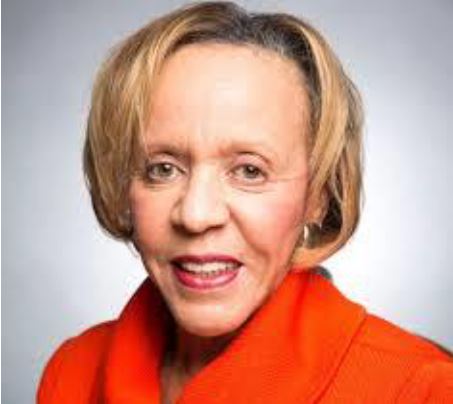
Dr. N. Joyce Payne founded the nationally recognized Thurgood Marshall College Fund in 1987. The TMCF is designed exclusively for exceptional students at the nation’s publicly supported Historically Black Colleges and Universities (HBCUs). In 2008-2009, she served as Executive Director of the National Alliance for Public Trust, a new organization committed to advancing principled leadership in American institutions. She accepted this position following her retirement as Vice President, Office for the Advancement of Public Black Colleges, and Council of Student Affairs of the Association of Public & Land-Grant Universities (APLU) in cooperation with the American Association of State Colleges & Universities (AASCU). An authority on women’s issues in relation to higher education and labor force participation, Payne has published and presented papers on the pursuit of equality for women and African Americans in higher education. Payne received a bachelor’s degree in speech pathology from the former District of Columbia Teachers College and earned her master’s and doctorate degrees in education from the former Atlanta University.
e-Mail: This email address is being protected from spambots. You need JavaScript enabled to view it.
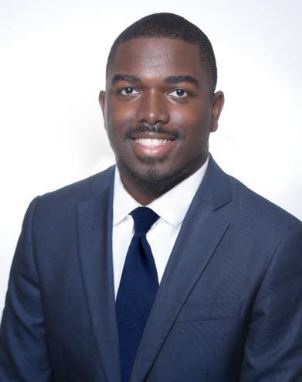
 
 
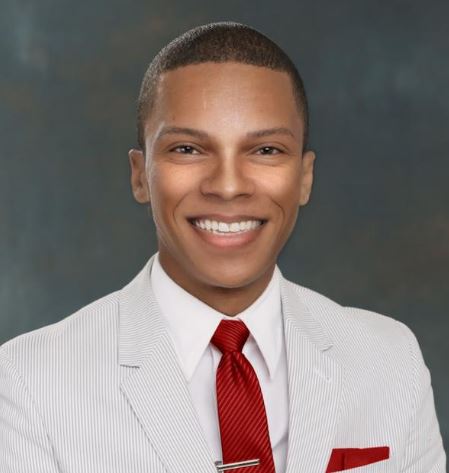
Dr. Tymon M. Graham serves as the Director for Administration and Research Strategy of the Dr. N. Joyce Payne Center for Social Justice at Thurgood Marshall College Fund, a national research center commissioning research and public policy studies through data-driving social science research methods to inform theory, policy, and practice for and about Historically Black Colleges and Universities. Nationally acclaimed for his innovative work in higher education, Dr. Graham’s has held institutional administrative posts in enrollment management, student engagement, student success, and strategic initiatives. His commitment to race, social justice, and education spans research authorship and presentations in Africa, South America, and the United States. He has delivered over 35 presentations on education, race, organizational change, and administrative leadership strategies. Dr. Graham earned his bachelor’s degree from South Carolina State University, master’s degree from University of West Georgia, and doctorate degree from Benedictine University.
e-Mail: This email address is being protected from spambots. You need JavaScript enabled to view it.
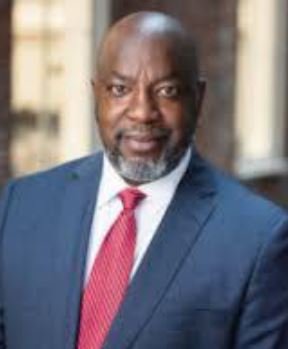
 
 
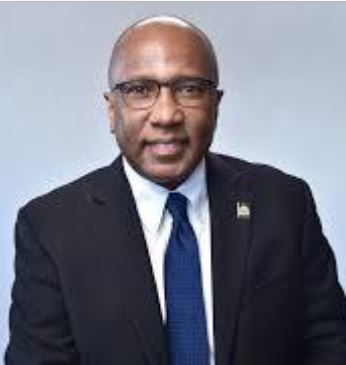
Dr. M. C. Brown II serves as Executive Director of the Dr. N. Payne Center for Social Justice at the Thurgood Marshall College Fund. The Payne Center for Social Justice is devoted to research that leads to pragmatic ideas regarding the problems incident social justice facing society by conducting and commissioning policy studies and research from and about historically Black colleges and universities. Regarded as an international scholar in the areas of postsecondary education, public policy, research design, organizational governance, institutional contexts, social justice and diasporic racial dynamics, Dr. Brown has lectured and/or presented over 400 keynotes and research papers in various countries on five of six continents. He is the author/editor of 20 books and monographs, and over 100 journal articles, book chapters, and publications related to education and society. Dr. Brown received the Bachelor of Science in elementary education from South Carolina State University, the Master of Science in educational policy and evaluation from the University of Kentucky, and a Doctor of Philosophy in higher education from The Pennsylvania State University with a cognate in public administration and political science.
 e-Mail: This email address is being protected from spambots. You need JavaScript enabled to view it.

Symposium (2):
 
Does the Racial Identity of Faculty Predict the Six-Year Graduation Rates among Black, Latinx, and Pell Grant Students?
Justin Lamar Bryant
Department of Curriculum; Prairie View A&M University, Texas, USA
The present mood hovering over the American higher education system now expects post-secondary institutions to graduate students within a reasonable time. There is also an expectation of colleges and universities to equip students with the competencies necessary to meet the nation’s labor demand. The last several decades witnessed an increase in college attendance, but this uptick in enrollment failed to translate in college completion rates. Unfortunately, the United States only made incremental improvement in this effort, and the nation continues to fall in the global ranking for educating its citizens. Purpose: This proposed study seeks to answer the following research questions: (1) When disaggregating by student demographic factors, does Minority Serving Status (MSI) predict the six-year graduation rates among Black, Latinx, and Pell Grant students; (2) when disaggregating by student demographic factors, does the racial identity of faculty predict the six-year graduation rates among Black, Latinx, and Pell Grant students; and (3) when disaggregating by student demographic factors, which institutional expenditures and funding sources predict the four-, six-, eight-, and ten-year graduation rates among Black, Latinx and Pell Grant students? Methods: Using panel data across ten years (2009 to 2019), this study utilized an OLS regression to perform this analysis.
 
Short Biography
Dr. Justin Lamar Bryant is an Assistant Professor of Education in the Department of Curriculum and Instruction, and also serves as an affiliate faculty in the Division of Social Sciences teaching history, at Prairie View A&M University.  Bryant’s research primarily focuses on improving the rates of persistence, retention, and completion for traditionally underrepresented students. His research also examines Minority Serving Institutions (MSIs), particularly, Historically Black Colleges and Universities (HBCUs), as well as assessing strategies to actualize diversity, equity and inclusion in education.  Bryant earned his Bachelor of Arts (BA) in History with a minor in Spanish from Morehouse College.  He later earned his Master of Arts (MA) in History from Georgia Southern University followed by his Doctor of Philosophy (PhD) in Higher Education Leadership and Policy Studies from the University of Houston.
 
e-Mail: This email address is being protected from spambots. You need JavaScript enabled to view it.



Dr. Ghada Sfeir, Ph.D., is the inaugural Senior Advisor, Anti-Racism and Racial Equity with the Office of EDI at the University of Calgary, Alberta, Canada. Dr. Ghada Sfeir holds a Ph.D. in Interdisciplinary Graduate Studies from the University of Saskatchewan, Saskatoon. Her research interests focus on Cosmopolitanism, Multiculturalism, Justice, Equity, Diversity, Inclusion, Decolonization, Anti-Racism, and Global Citizenship Education. Using the cosmopolitan lens, which entails the “equal moral worth” of every individual across all categories of difference, Dr. Sfeir advocates for implementing the fundamentals of EDI and anti-racism to identify and remove systemic barriers facing underrepresented and racialized groups educationally, socially, and politically.
Dr. Sfeir taught her graduate and undergraduate courses from a social justice perspective. She has recently co-edited the International Journal of Talent Development and Creativity (2022) special issue to promote cosmopolitan pathways for Canada’s growing diversity from coast to coast to coast and beyond. Her advocacy is not limited to her publications and teaching from a social justice perspective but also includes various academic initiatives and public webinars to advance collective public understanding of the principles of justice, diversity, equity, inclusion, and decolonization.
Page 6 of 11